Understanding Equity, Debt, and Hybrid Mutual Funds for Beginners
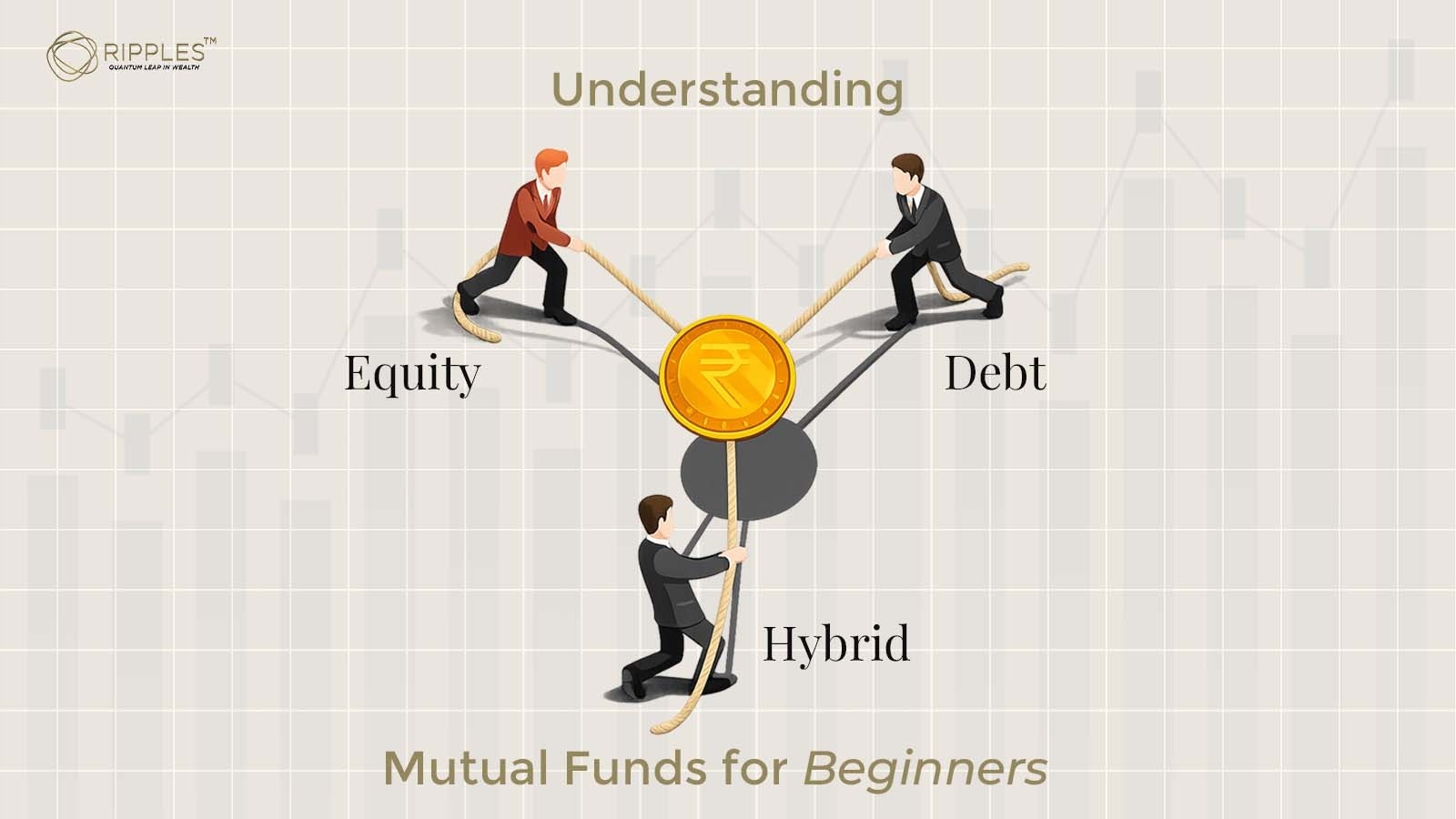
Understanding Equity, Debt, and Hybrid Mutual Funds for Beginners
Investing can feel intimidating if you’re just starting. The stock market, bonds, and other investment options often seem complicated, but mutual funds make it simpler. A mutual fund pools money from multiple investors and is managed by professional fund managers who decide how to invest it. Instead of picking individual stocks or bonds yourself, you get access to a diversified portfolio managed by experts.
For beginners, understanding the three main types of equity, debt, and hybrid funds is crucial. Each has a different risk profile, potential return, and role in your investment strategy. In this article, you’ll know how these funds work, how they differ, and how to choose one based on your goals.
What Are Mutual Funds?
Mutual funds are investment vehicles that pool money from multiple investors to invest in financial instruments like stocks, bonds, or money market securities. A professional fund manager handles the investment decisions according to the fund’s stated objectives.
Benefits of Mutual Funds:
1. Diversification: By investing in multiple assets, mutual funds spread risk. Even if one investment performs poorly, others can balance it out.
2. Professional Management: Fund managers have expertise in researching and picking investments, saving you the effort of making complex financial decisions.
3. Accessibility: Even with a small amount of money, you can invest in a broad portfolio that would be difficult to build individually.
4. Liquidity: Most mutual funds allow you to redeem your investment within a few days, giving you access to your money when needed.
Mutual funds are an ideal starting point for beginners because they provide exposure to the financial markets with professional guidance and lower risk compared to direct stock or bond investment.
Read More About: Mutual fund
What are Equity Mutual Funds?
Equity funds invest primarily in stocks. Their main goal is long-term capital growth, making them suitable for investors willing to accept short-term market fluctuations.
Types of Equity Funds:
- Large-cap Funds: Invest in well-established companies. Lower risk, stable returns.
- Mid-cap and Small-cap Funds: Invest in medium or smaller companies with higher growth potential but more volatility.
- Sector or Thematic Funds: Focus on specific industries like technology, banking, or healthcare. High returns possible but riskier.
Key Features:
- Potential Returns: Can be high over the long term but fluctuate in the short term.
- Investment Horizon: Typically 5–10 years to absorb market ups and downs.
- Risk Level: High, sensitive to market volatility.
Example: If you invest in a technology-focused equity fund, your returns will depend on how well technology companies perform. A good year could bring substantial growth, but a market downturn can reduce your investment temporarily.
Equity funds are ideal for wealth creation over the long term, and they work best if you are comfortable with short-term ups and downs in your portfolio.
What are Debt Mutual Funds?
Debt funds invest in fixed-income securities like government bonds, corporate bonds, and money market instruments. Their focus is on capital preservation and regular income, rather than high growth.
Types of Debt Funds:
- Liquid Funds: Invest in very short-term instruments like treasury bills. Very low risk and high liquidity.
- Short-term and Medium-term Funds: Bonds with maturities of 1–3 years or 3–5 years. Moderate returns and low risk.
- Gilt Funds: Invest in government securities, often considered safe and sometimes tax-free.
Key Features:
- Returns: Moderate and stable, typically higher than savings accounts but lower than equity funds.
- Risk Level: Low to moderate; affected by interest rate changes.
- Investment Horizon: 1–5 years, depending on the type of debt fund.
Example: If you invest in a short-term debt fund with corporate bonds, your returns are mostly predictable. These funds are suited for risk-averse investors or those saving for short-term goals like buying a car or funding education.
What are Hybrid Mutual Funds?
Hybrid funds combine equity and debt investments in a single portfolio. This mix provides growth potential from equities while reducing risk with debt instruments.
Types of Hybrid Funds:
- Balanced Funds: About 60% equity and 40% debt. Suitable for moderate risk investors.
- Aggressive Hybrid Funds: Higher equity allocation for higher growth potential.
- Conservative Hybrid Funds: Higher debt allocation, focusing on stability over growth.
Key Features:
- Returns: Moderate; aim for growth without extreme volatility.
- Risk Level: Moderate.
- Investment Horizon: 3–7 years.
Example: A balanced hybrid fund could include stocks from large-cap companies and corporate bonds. If stocks drop, the debt portion cushions the losses, providing a smoother performance over time. Hybrid funds are ideal for beginners who want a safe start in mutual funds while enjoying some exposure to the equity market.
Differences Between Equity, Debt, and Hybrid Funds
Feature | Equity Funds | Debt Funds | Hybrid Funds |
Primary Investment | Stocks | Bonds/Fixed Income | Stocks + Bonds |
Returns | High, volatile | Moderate, stable | Moderate, balanced |
Risk Level | High | Low to moderate | Moderate |
Investment Horizon | Long-term (5–10 yrs) | Short to medium (1–5 yrs) | Medium to long (3–7 yrs) |
Ideal For | Long-term wealth creation | Capital preservation | Balanced growth + stability |
This table helps investors quickly see the differences and choose based on their goals and risk tolerance.
Choosing the Right Mutual Fund
When selecting a mutual fund, consider:
- Financial Goals: Are you investing for long-term wealth or short-term savings?
- Risk Appetite: Can you tolerate market ups and downs?
- Investment Horizon: How long can you keep your money invested?
- Fund Performance: Review historical returns, consistency, and the fund manager’s track record.
- Expense Ratio: Lower costs can improve your overall returns.
Tip: Beginners may start with hybrid funds for a balance between growth and safety, then gradually explore equity or debt funds as they gain confidence.
Risks and Considerations
Investing in mutual funds comes with some risk:
- Market Risk: Equity and hybrid funds are affected by market fluctuations.
- Interest Rate Risk: Debt funds’ returns can decline if interest rates rise.
- Liquidity Risk: Some funds have exit loads or lock-in periods.
- Inflation Risk: Returns may not always beat inflation.
Mitigate risk by diversifying across fund types and regularly reviewing your portfolio.
Conclusion
Mutual funds provide a simplified, professional, and diversified approach to investing. By understanding equity, debt, and hybrid funds, beginners can match investments to their goals and risk tolerance. Start with a balanced approach, review your performance periodically, and adjust your portfolio as your needs change.
FAQs
What is the main difference between equity and debt funds?
Equity funds aim for high growth by investing in stocks, while debt funds focus on stability through bonds and fixed-income securities.
Are mutual funds safe for beginners?
Debt and hybrid funds are relatively safe. Equity funds carry more risk but offer higher long-term returns.
What are hybrid funds good for?
They provide a mix of growth and stability by combining equity and debt investments.
Can I switch between mutual funds?
Yes, most fund houses allow switching, but check for exit loads or tax implications.
How much should I invest initially?
Even small, regular investments (SIP) work well. The key is consistency and a long-term approach.