How to Analyze Mutual Fund Portfolios Using Beta and Correlation Metrics
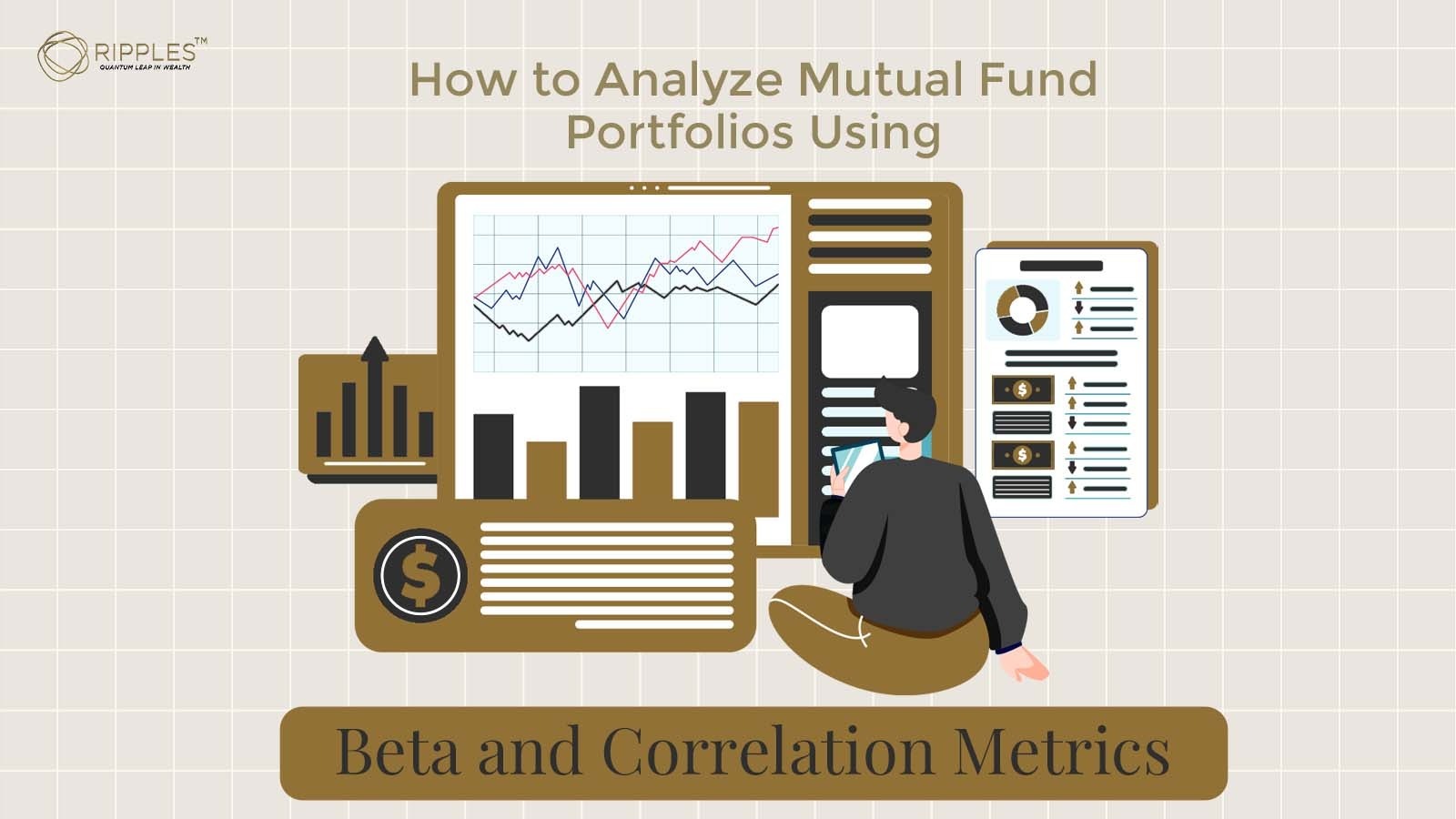
How to Analyze Mutual Fund Portfolios Using Beta and Correlation Metrics
Investing in mutual funds isn’t just about picking the top-performing funds; it’s about understanding how they behave relative to the market and each other. Two essential tools in this analysis are beta and correlation. Together, they help investors gauge risk, optimize diversification, and make more informed decisions.
Understanding Beta
Beta measures the sensitivity of a mutual fund’s returns relative to a benchmark index.
- Beta = 1: Fund moves in line with the market.
- Beta > 1: Fund is more volatile than the market.
- Beta < 1: Fund is less volatile.
- Negative beta: Fund moves opposite to market trends, often rare.
For example, a beta of 1.2 indicates that if the market rises by 10%, the fund might rise by 12%, but it could also fall more during a market downturn. Beta is crucial for understanding market-related risk.
Understanding Correlation
Correlation measures how two funds’ returns move in relation to each other, ranging from -1 to +1:
- +1 correlation: Funds move together
- 0 correlation: No predictable relationship
- -1 correlation: Funds move in opposite directions
Correlation is key for portfolio diversification. Combining funds with low or negative correlation can reduce overall portfolio risk.
Using Beta and Correlation Together
Analyzing beta and correlation simultaneously provides a fuller picture:
- High-beta funds paired with low-correlated funds can balance risk.
- Diversification is more effective when funds with different correlations are combined.
- Helps in constructing a risk-adjusted portfolio, not just chasing returns.
For instance, a high-growth fund (beta 1.5) can be paired with a stable, low-beta fund (beta 0.7) that has low correlation, smoothing out volatility.
Practical Steps to Analyze Portfolios
1. Gather Fund Data Before any analysis, you need the right data:
- Historical returns: Typically, monthly or daily returns for at least 1–3 years. This shows how the fund has performed over time.
- Benchmark indices: For equity funds, this could be the Nifty 50 or S&P 500; for debt funds, relevant bond indices. You’ll compare the fund’s performance against these benchmarks.
- Other fund data: Sector allocation, asset allocation, and fund objectives can help contextualize the analysis.
2. Calculate Beta: Use regression analysis or fund provider data.
3. Calculate Correlation: Compare fund returns with other funds or indices.
4. Analyze Results: Identify risk, potential diversification benefits, and alignment with your investment goals.
5. Adjust Portfolio: Allocate based on risk tolerance, return expectations, and diversification needs.
Conclusion
When used together, beta and correlation aren’t just numbers; they’re your roadmap to smarter investing, revealing how funds react to market swings and how they interact with each other, so you can build a portfolio that balances risk, seizes growth opportunities, and stays aligned with your financial goals.