Different Types of Mutual Funds in India
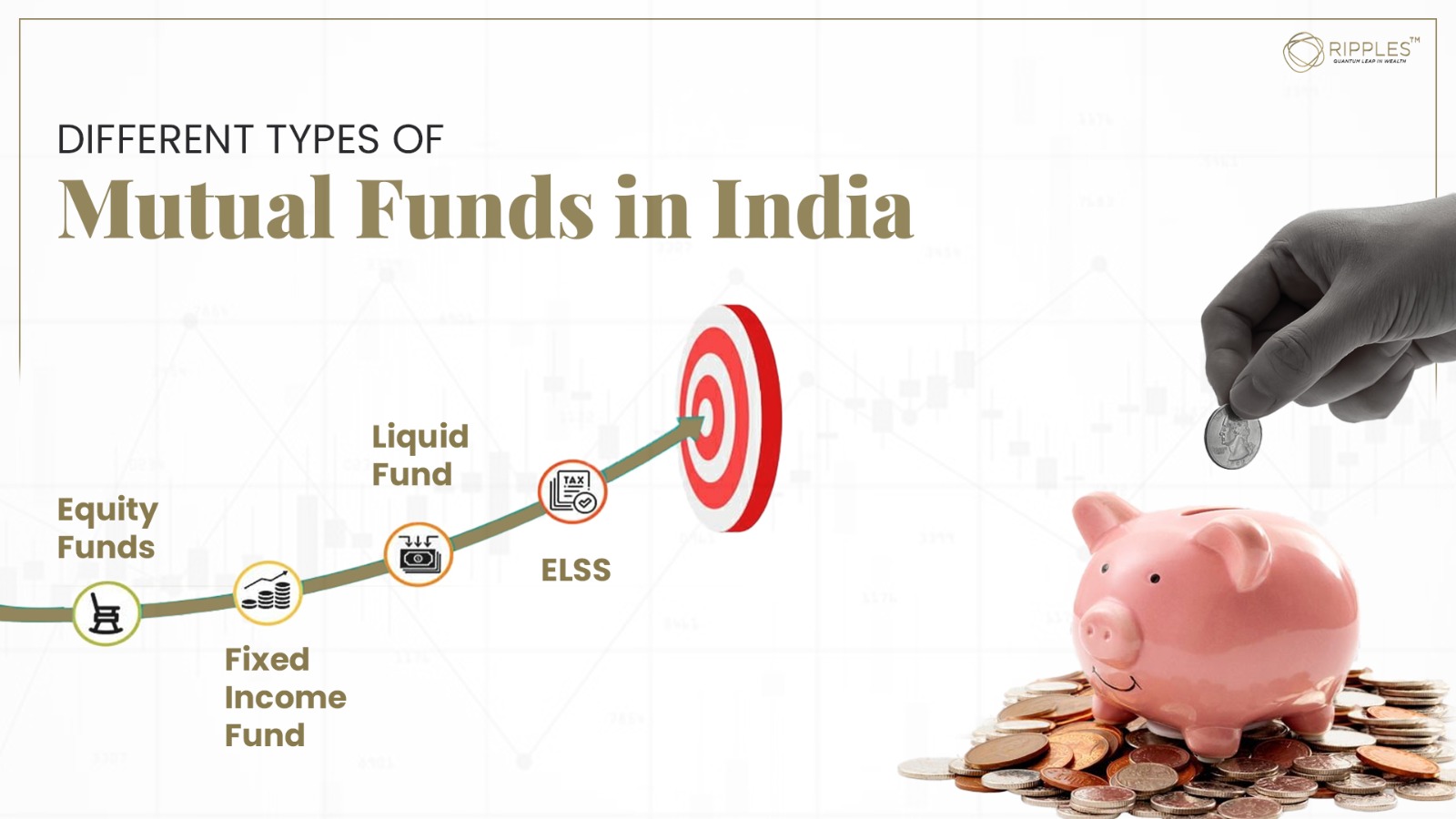
In India, mutual funds have become a popular investment choice due to their ability to provide an accessible entry point for individuals looking to grow their wealth. Whether you’re a seasoned investor or just starting, understanding the various types of mutual funds is crucial to making proper investment decisions. Each type offers distinct benefits, risks, and returns, and it’s essential to select one that aligns with your financial goals. In this blog, we will delve into the different types of mutual funds available in India, guiding you towards a more strategic and informed investment journey.
What Are Mutual Funds?
At its core, a mutual fund is an investment vehicle that pools money from a group of investors to invest in a diversified portfolio of stocks, bonds, or other securities. The fund is managed by professional asset managers who make investment decisions on behalf of all investors. One of the key advantages of mutual funds is diversification. By investing in a wide range of securities, mutual funds reduce the risk associated with any single investment, ensuring that your money is spread across multiple assets.
Know more about: Mutual Funds
Why Invest in Mutual Funds?
Mutual funds offer several benefits, such as professional management, ease of investment, and the ability to diversify. Whether you are a new investor or someone who prefers to leave the day-to-day decisions to professionals, mutual funds provide an ideal solution. Additionally, they are affordable, with many funds allowing you to start investing with as little as INR 500, making them accessible to the average investor.
However, it’s important to remember that mutual funds come with risks. Different funds carry varying levels of risk and potential returns, so it’s vital to understand the type of fund that best fits your financial objectives.
Types of Mutual Funds in India
1. Equity Mutual Funds
Equity mutual funds invest primarily in the stock market. These funds are best suited for investors looking for long-term growth and who can tolerate market volatility. Equity funds are classified based on the market capitalization of the companies they invest in:
Type of Fund | Description | Risk | Ideal For |
Large-cap Funds | Invest in well-established companies with stable growth. Less risky than mid-cap or small-cap funds. | Low to Moderate | Investors seeking stability and long-term growth. |
Mid-cap Funds | Invest in medium-sized companies with higher growth potential but higher risk. | Moderate | Investors with a higher risk tolerance, looking for growth. |
Small-cap Funds | Invest in smaller companies. These funds have high growth potential but are more volatile. | High | Investors with high risk tolerance, seeking aggressive growth. |
Multi-cap Funds | A mix of large, mid, and small-cap stocks, providing a balanced exposure. | Moderate to High | Investors seeking diversification across market caps with balanced risk. |
2. Debt Mutual Funds
Debt mutual funds invest in fixed-income securities such as government bonds, corporate bonds, and treasury bills. These funds are more stable than equity funds and are ideal for those who want to preserve capital while earning regular income. Types of debt funds include:
Type of Fund | Description | Risk | Ideal For |
Liquid Funds | Invest in short-term money market instruments. Low-risk and provide high liquidity. | Low | Conservative investors seeking safety and liquidity. |
Corporate Bond Funds | Invest in bonds issued by companies. Slightly higher returns with moderate risk. | Moderate | Investors looking for moderate returns with a bit more risk. |
Government Securities Funds | Invest in government bonds. Offers low risk and steady returns. | Low | Investors who prefer safety and consistent returns. |
Gilt Funds | Invest in government securities with varying maturities, offering low risk and steady returns. | Low | Conservative investors seek stability and safety. |
3. Hybrid Mutual Funds
Hybrid mutual funds invest in a mix of both equity and debt securities. They provide a balanced approach, offering growth potential while managing risk. Some types include:
Type of Fund | Description | Risk | Ideal For |
Balanced Funds | Invest in both stocks and bonds in a fixed proportion, providing a balance of growth and stability. | Moderate | Investors seeking both growth and income, with moderate risk. |
Monthly Income Plans (MIPs) | Primarily debt-oriented with a small allocation to equity for added growth. | Low to Moderate | Investors looking for regular income with some exposure to equity for growth. |
Arbitrage Funds | Take advantage of price differences between the cash and derivative markets, aiming for low-risk returns. | Low to Moderate | Investors seeking a low-risk, relatively stable return in volatile markets. |
4. Index Funds
Index funds are a type of passive mutual fund that aim to replicate the performance of a market index, such as the Nifty 50 or the Sensex. These funds do not require active management, making them cost-effective with low management fees. Index funds are designed to match, not beat, the market returns.
Ideal For: Passive investors who prefer a low-cost, hands-off investment strategy.
5. Sectoral Funds
Sectoral mutual funds invest in a specific sector of the economy, such as technology, pharmaceuticals, or energy. While they have the potential for high returns, they also carry higher risks due to the lack of diversification within the sector.
Ideal For: Investors who have knowledge of specific sectors and can tolerate high volatility.
6. International Mutual Funds
International mutual funds allow Indian investors to diversify their portfolio by investing in foreign markets. These funds can be global, regional, or country-specific. For instance, some international funds invest in developed markets like the US or Europe, while others focus on emerging markets like China or Brazil.
Ideal For: Investors looking to gain exposure to global markets and diversify their portfolio beyond India.
How to Choose the Right Mutual Fund?
Choosing the right mutual fund involves understanding your financial goals, risk tolerance, and time horizon. If you are looking for long-term capital appreciation, equity funds might be ideal. On the other hand, if you prefer stability and regular income, debt funds could be the right choice. Hybrid funds offer a balanced approach, while sectoral funds may suit those with a deep understanding of specific industries.
Always consider factors like the fund’s past performance, expense ratio, and the reputation of the fund manager before making an investment decision.
Taxation on Mutual Funds in India
The tax treatment of mutual funds in India depends on whether the fund is equity-based or debt-based. Equity mutual funds held for more than one year are subject to long-term capital gains (LTCG) tax, while those held for less than a year are subject to short-term capital gains (STCG) tax. Debt funds are taxed differently, with long-term holdings taxed at 20% after indexation benefits.
Conclusion
Mutual funds in India offer an accessible and diverse range of investment opportunities, each catering to different risk profiles and financial goals. By understanding the various types of mutual funds, equity, debt, hybrid, index, sectoral, and international, you can make an informed decision that aligns with your investment strategy.
Remember, the key to successful investing is understanding your own financial situation and selecting the right type of fund for your needs. Whether you’re aiming for long-term growth or looking to generate a steady income, there’s a mutual fund that fits your strategy. Happy investing!
Start your Mutual fund investment journey today
FAQs
What is a mutual fund in simple terms?
A mutual fund pools money from multiple investors to invest in a diversified portfolio of stocks, bonds, or other securities managed by professional fund managers.
How do I choose the right mutual fund?
Consider your financial goals, risk tolerance, and investment horizon. Equity funds are suited for long-term growth, while debt funds are ideal for safety and stable returns.
What is the difference between equity and debt mutual funds?
Equity funds invest in stocks, offering higher growth potential with more risk, while debt funds invest in bonds or money market instruments, offering lower risk and stable returns.
How are mutual funds taxed in India?
The taxation of mutual funds depends on the type of fund. Equity funds are subject to long-term capital gains (LTCG) tax if held for over 1 year, while debt funds are taxed differently based on the holding period.
Can I invest in mutual funds with a small amount of money?
Yes, many mutual funds allow you to start investing with as little as INR 500 through Systematic Investment Plans (SIPs).
What is the maturity period of a mutual fund?
The maturity period refers to the duration for which the fund invests in certain securities. Short-term funds typically have a maturity of a few months to 3 years, while long-term funds invest for a period of 5 years or more.